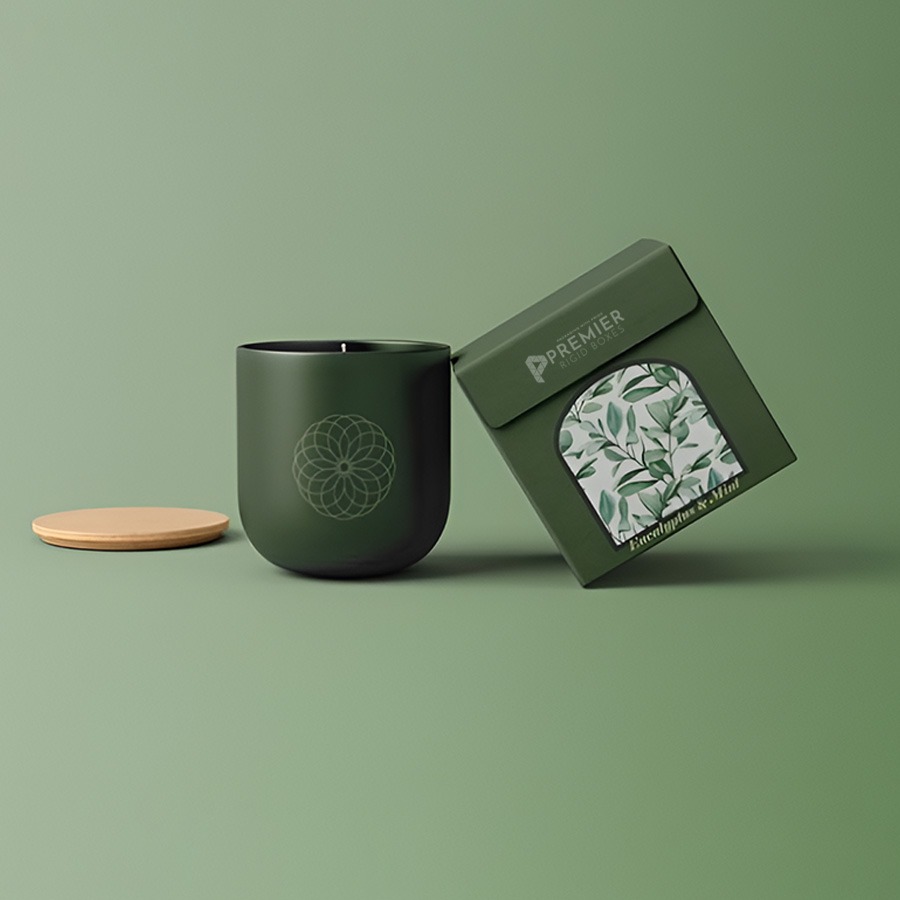
Choose and makes candles out of her garage and sells them at a local market most weekends. For a while, she just wrapped each jar in bubble wrap, taped it up, and called it good. Then one Saturday somebody picked up her candle, looked at that plain bubble-wrapped thing, and just… put it back down. Didn’t say anything. Just set it back on the table and walked off. Same candle, same scent, nothing different about the wax at all. She figured out later it probably came down to trust: the packaging didn’t look like it would survive a car ride home, so why risk it. She switched to a real rigid box not long after that, and her sales at the same market jumped noticeably within a few weeks. Nothing about the candle itself changed. Just the box around it.
If you’re making or selling candles and haven’t really thought hard about packaging yet, here’s what actually matters. Skipping the fluff.
Why the Box Matters More Than People Assume
Candle jars are heavier than most stuff people package, and more fragile too. Glass cracks. Wax shifts around or splits if the jar gets knocked hard enough. And candles get bought as gifts a lot, which changes things the box isn’t just there to protect the jar anymore, it’s part of what someone’s actually paying for. People judge the whole thing, not just how the candle smells. A cheap, flimsy box can undercut a genuinely good candle, even when the wax and scent are done really well.
Figure Out What the Candle Actually Needs First
Before getting into colors or fancy finishes, sort out the practical side. How heavy is the jar once it’s actually filled? A small 4-ounce candle doesn’t need the same reinforcement as a heavier 16-ounce one. Is it getting shipped somewhere, or just sold face-to-face at a market or a shop? Shipping changes everything you need real cushioning, not just something that looks nice in a photo. A candle that shows up cracked because the box prioritized style over substance is worse than no fancy box at all, honestly.
Shape matters too, more than people expect. Round jars roll around inside a box if there’s no insert holding them in place. Square or tapered jars sit a bit more naturally, but they still need enough padding so the glass isn’t clinking against the box walls every time the delivery truck hits a pothole.
Picking a Material That Actually Holds Up
Rigid boxes made from thicker chipboard usually somewhere around 2mm are pretty standard for candles meant to feel a little premium. They hold their shape well and give that proper “gift” feeling when the lid comes off. For candles going into local shops without a ton of handling, a lighter folding carton usually does the job fine and costs less to make.
Corrugated inserts are worth mentioning here too, especially if shipping’s involved. Even a single layer of corrugated board tucked inside a rigid or folding box adds real shock protection without turning the whole package bulky. That’s basically the line between a candle surviving a rough delivery and one arriving in pieces.
Sustainable Packaging for Custom Candle Jar
If sustainability matters to your brand and for many candle buyers these days. it genuinely does. Kraft paperboard is worth considering for custom candle jar boxes. It has a natural, slightly rough texture that works well with candles marketed as clean-burning or eco-friendly. Kraft paperboard is also usually a more affordable packaging option, making it a practical choice for brands that want sustainable packaging without pushing up costs.
The Insert Gets Skipped More Than It Should
This part gets overlooked constantly. A foam or die-cut cardboard insert that holds the jar snug in place does more to prevent damage than the outer box itself, most of the time. Without one, even a sturdy box is basically just a container for a jar to slide around inside. Inserts also make the whole unboxing feel more intentional the candle sits exactly where it should instead of shifting around loosely once the lid’s off.
For candles with lids or any kind of decorative top, make sure the insert accounts for that piece too. A jar that fits fine but a lid that gets crushed against the box wall is a mistake that happens more often than it should, and it’s completely avoidable with the right insert design.
How It Opens Changes How It Feels
The way a box opens really does change how it feels in someone’s hands. A simple slide-off lid works and keeps costs low. A magnetic closure feels a notch above that and suits candles positioned as gifts. Window cutouts where part of the box is clear or die-cut so you can see the candle without opening it do well on retail shelves since people like seeing what they’re buying before they commit.
None of these are wrong choices exactly. It just depends where the candle’s being sold and who’s actually buying it. A candle heading into a gift shop probably deserves a nicer closure. One sold in bulk off a market table doesn’t need to be as elaborate about it.
Branding: Less Usually Works Better
A lot of small candle brands try to cram too much onto the box the whole brand story, every single ingredient, a paragraph about sustainability practices, all squeezed onto one small surface. Simpler tends to win here. A clean logo, the scent name, maybe one short line about what makes it different, and enough breathing room that it doesn’t feel crowded. The box should feel like it belongs with the product, not like a billboard stuck onto it.
Worth Double-Checking Before You Place an Order
Before committing to a full print run, it’s worth confirming the box actually fits the jar with room for the insert not just a tight measurement that works on paper. Also check how the box holds up once the jar’s filled and closed, since an empty test box behaves differently than one carrying real weight. And if you’re printing branding straight onto the box, ask for a physical proof first. Colors on a screen rarely match exactly what comes out in production, and that’s not something worth finding out after five thousand units are already printed.
Final Thoughts
Choosing packaging for candle jars isn’t really about picking whatever looks best in a photo. It’s about matching the box to the actual weight and shape of the candle, keeping the glass protected properly, and giving the whole thing a presentation that matches what the candle’s actually worth. Get those basics sorted, and the box stops being an afterthought it starts doing what it did for my friend at that market. Selling the candle before anyone’s even lit it.