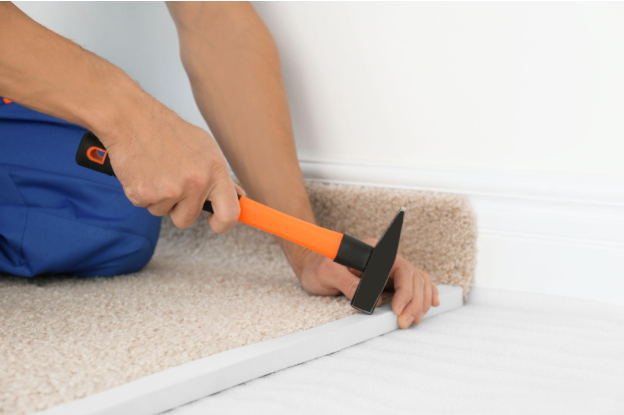
A damaged carpet can quickly become an eyesore, especially when a burn, tear, or missing section interrupts an otherwise attractive floor. Instead of replacing the entire covering, homeowners and businesses can often fix carpet burn holes through targeted restoration that preserves the surrounding material and reduces unnecessary disruption.
Localised carpet repair is particularly useful when the damage is limited to one area, and the remaining carpet is still in good condition. With careful assessment, suitable replacement material, and precise finishing, a repaired section can blend naturally with the existing surface.
Understanding Localised Carpet Repair
Localised carpet repair is a restoration method used to address limited damage without removing an entire carpet. Depending on the condition, professionals may replace missing fibres, insert a matching patch, repair damaged backing, or reshape the affected area.
The objective is to restore both appearance and function while preserving as much of the original carpet as possible. This approach can be practical for burn marks, holes, tears, worn sections, and other isolated defects that do not justify complete replacement.
Assessing the Damage Before Restoration
A successful repair begins with understanding the type and extent of damage. Technicians consider the carpet’s fibre, colour, pattern, pile height, backing, and location before deciding which technique will provide the most natural result.
- Identifying Burn Severity
A surface scorch may affect only the upper fibres, while a deeper burn can remove fibres and damage the backing underneath. Determining the depth helps professionals choose between fibre-level treatment and patching.
- Checking Fibre Compatibility
Carpets can contain wool, nylon, polyester, or blended fibres, and each material responds differently to repair techniques. Identifying the fibre type helps prevent unsuitable treatments that could affect texture or appearance.
- Evaluating Carpet Pattern
Plain carpets are generally easier to match than patterned or decorative designs. Professionals examine lines, motifs, shades, and pile direction so replacement material can be positioned accurately.
- Locating Suitable Patch Material
A matching piece can come from leftover installation material or an inconspicuous section of the same carpet. Using compatible material improves the chance of achieving a visually integrated repair.
- Examining Surrounding Fibres
The area around a hole or burn should also be assessed for weakness, fraying, or additional wear. Addressing these conditions helps ensure the repaired section remains stable during everyday use.
Repair Techniques for Different Carpet Damage
Different types of carpet damage require specific repair methods to achieve a neat and durable result. When professionals fix carpet burn holes, the selected technique depends on the size of the affected area, fibre condition, carpet construction, and extent of damage.
- Fibre replacement for small areas with damaged or missing fibres.
- Patch repair for larger holes, burns, or severely affected sections.
- Seam repair for separated, lifted, or uneven carpet edges.
- Backing reinforcement for weakened or damaged carpet foundations.
- Colour blending to help repaired sections match the surrounding carpet.
- Pile alignment to restore the direction and texture of carpet fibres.
Using the appropriate repair technique can help preserve the carpet while addressing visible damage effectively. Careful finishing also supports a more consistent appearance across the restored area.
Benefits of Repairing Instead of Replacing
Repairing a limited damaged area can offer practical advantages when the rest of the carpet remains serviceable. It can preserve the original floor covering, reduce material waste, and minimise the disruption associated with removing and installing an entirely new carpet.
A targeted repair may also be valuable when the carpet has a distinctive pattern, custom colour, or difficult-to-source material. Rather than attempting a temporary household fix, professional restoration focuses on durability and visual continuity.
Key Points to Consider Before Repair
Several factors should be reviewed before restoration begins. Assessing the damage, carpet construction, and available replacement material helps determine whether a localised repair is suitable and supports a more consistent final appearance.
- Extent and depth of the damage
- Carpet fibre and backing type
- Availability of matching material
- Pattern, colour, and pile direction
- Location and expected foot traffic
These considerations help determine whether patching, fibre replacement, or another localised technique is most appropriate. A careful assessment before restoration can improve the final appearance and reduce the likelihood of repeated repairs.
Maintaining the Repaired Carpet
After restoration, sensible maintenance helps protect the repaired section from unnecessary wear. Regular vacuuming, prompt spill treatment, and appropriate cleaning methods can support the condition of both the restored area and the surrounding carpet.
It is also useful to avoid dragging heavy furniture across repaired sections and to reduce exposure to potential sources of burns or tearing. Preventive care can help the repaired area remain secure and visually consistent for longer.
Selecting Professional Carpet Repair Support
Choosing a restoration provider requires attention to experience, repair methods, material matching, and finishing quality. Property owners should look for professionals who understand different carpet constructions and can recommend a technique suited to the specific damage.
A reliable provider should also explain the proposed repair clearly and assess whether localised restoration is practical before beginning work. This helps customers make informed decisions about preserving their existing carpet rather than automatically replacing it.
Conclusion
Carpet holes and localised burns do not always require complete floor covering replacement. With accurate assessment, compatible materials, and careful craftsmanship, targeted restoration can improve appearance while preserving much of the original carpet. Proper maintenance after repair further supports durability and helps protect the investment.
For those seeking dependable restoration assistance, Moon Light Carpet Washing LLC offers specialised carpet care designed around individual repair requirements. Working with an experienced carpet hole repair company in Dubai can help property owners address damaged sections professionally while maintaining a neat, functional, and attractive carpet surface.