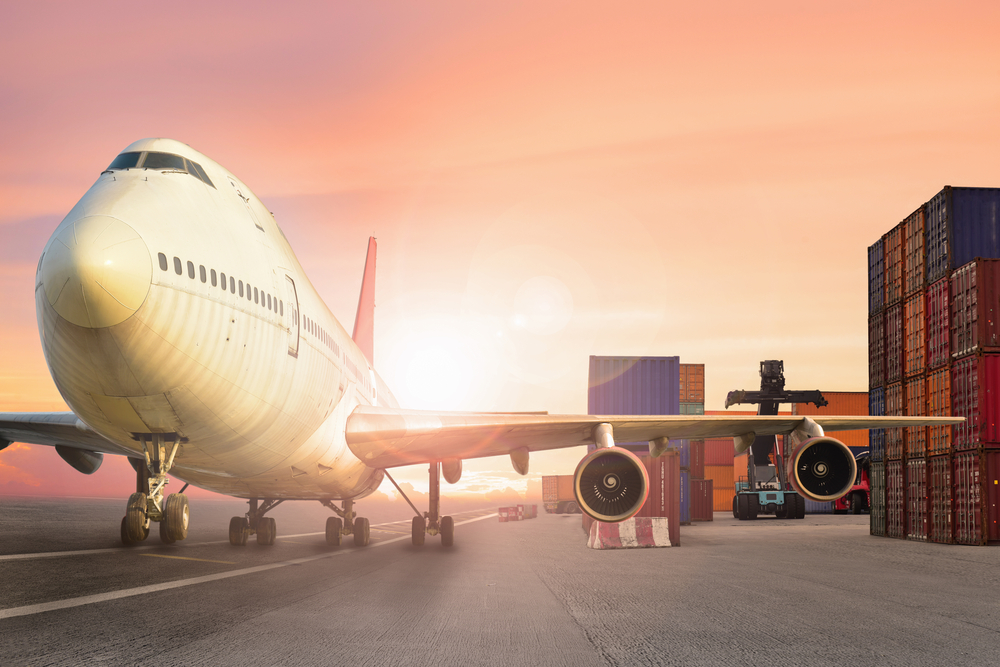
Most delays in international shipping don’t happen mid-transit, they happen at the seams, in the moments when cargo changes hands between one party and the next. A shipment can move smoothly across an ocean or through the air with an efficient air freight forwarder managing the route, only to sit for hours or days at a handoff point that never makes it into the tracking updates customers actually see.
Where Handoffs Actually Happen
Cargo rarely travels from origin to final delivery under a single party’s control. It moves from a shipper’s warehouse to a trucking company, from that truck to a port or airport terminal, from the carrier to customs authorities, and finally from a bonded warehouse to a last-mile delivery service. Each of these transitions is a handoff, a point where responsibility, documentation, and physical custody all shift at once.
What Tends to Go Wrong
Most handoff problems trace back to two things: paperwork that doesn’t match, and timing that isn’t coordinated. If documentation prepared by one party doesn’t align exactly with what the next party expects, a mismatched HS code, an incomplete packing list, a missing signature, cargo can sit in limbo while the discrepancy gets resolved.
Different freight carrier companies also don’t always operate on synchronized schedules, so a shipment released from customs on a Friday afternoon may not be picked up for last-mile delivery until the following Monday, adding days that never show up as a “delay” on paper.
Why Coordination Matters More Than Speed
It’s tempting to assume that faster individual legs of a journey mean faster overall delivery, but handoff time often eats up more of a shipment’s total transit than any single leg of travel. A shipment that moves quickly by air but sits for 48 hours at a customs handoff hasn’t actually saved any time compared to a slightly slower route with a smoother transition.
This is why experienced logistics partners focus as much on coordinating the gaps between transport modes as they do on the transport itself, pre-clearing documentation, aligning pickup windows, and maintaining direct communication between each party handling the cargo.
Reducing Handoff Risk
Shippers can reduce handoff-related delays by ensuring documentation is prepared consistently across every leg of the journey before cargo ever leaves origin, and by working with partners who provide visibility into custody transfers, not just transit milestones. Asking specifically how a logistics partner manages handoff points, rather than just transit times, is often the more revealing question during vendor selection.
Conclusion
The handoff points between transport modes, not the transit legs themselves, are where most shipping delays quietly accumulate. Mismatched paperwork, uncoordinated schedules, and gaps in custody tracking all add time that rarely shows up until a shipment is already late. Working with an experienced air freight forwarder who actively manages these transition points, rather than just the movement between them, is often what separates a reliably on-time delivery from one that arrives late for reasons no single leg of the journey can fully explain. AVR Logistics is an Indian freight forwarding company managing air, sea, and rail cargo movement, helping clients navigate handoff points between carriers, customs, and last-mile delivery with coordinated, end-to-end logistics support.