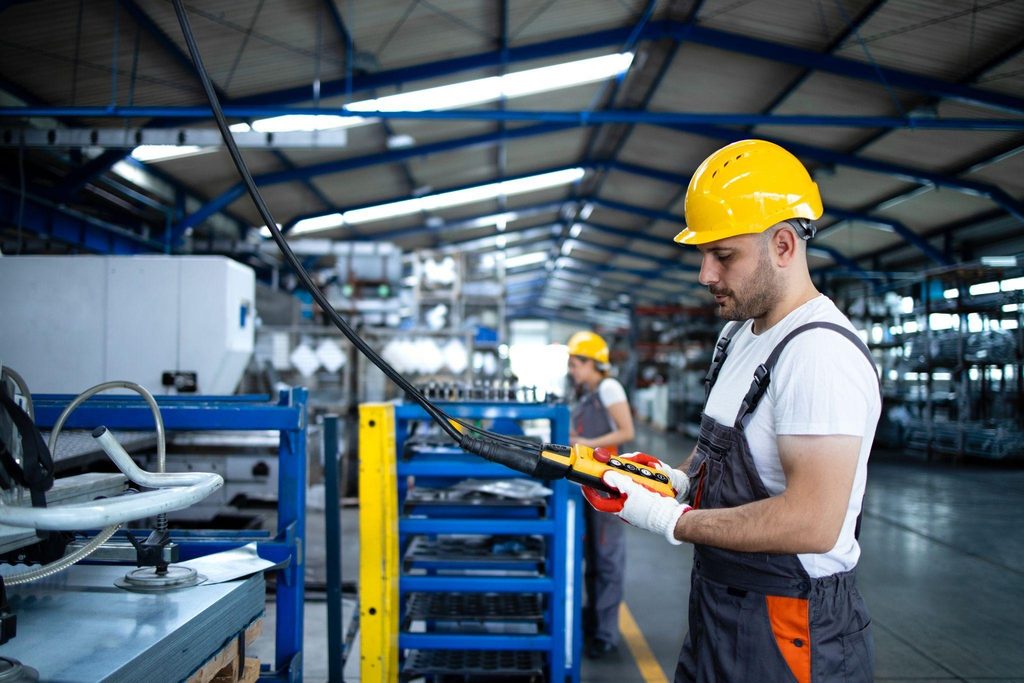
Industrial machinery operates under demanding conditions where pressure, speed, accuracy, and reliability must work together. A hydraulic system that is poorly matched to an application can lead to inefficient performance, excessive maintenance, overheating, and unexpected downtime. For this reason, choosing the right hydraulic power pack requires more than comparing specifications or purchasing the highest-capacity option available. The selection should be based on the machine’s operating requirements, workload, environment, safety expectations, and long-term performance goals.
Understand the Application Requirements
Every industrial application places different demands on its hydraulic system. Before selecting equipment, businesses should clearly define what the system is expected to operate. Consider the type of machinery, required force, operating speed, duty cycle, pressure range, and frequency of use. For example, equipment working continuously in manufacturing or heavy industrial environments may require a system designed for sustained operation, whereas machinery used intermittently may have different flow and cooling requirements. Understanding these factors helps prevent both under-sizing and unnecessary over-sizing.
A system with insufficient capacity may struggle to deliver the required force or speed, while an oversized system can consume more energy and increase acquisition and operating costs. Proper application analysis therefore forms the foundation of an efficient hydraulic solution.
Evaluate Pressure and Flow Requirements
Pressure and flow are two of the most important technical considerations when selecting a hydraulic power system. Pressure determines the force that hydraulic actuators can generate, while flow rate influences the speed at which those actuators operate. The required pressure should be determined according to the maximum load the machinery will encounter, while the flow requirement should reflect the desired operating speed. It is also important to account for pressure losses within valves, pipes, filters, and other components.
Consider Motor and Pump Selection
The pump is responsible for converting mechanical energy into hydraulic energy, making pump selection central to overall system performance. Different applications may require gear, vane, piston, or other pump configurations depending on pressure, flow, efficiency, and operating conditions. Motor selection should also correspond to the pump’s requirements. An appropriately sized motor can provide consistent performance without unnecessary energy consumption. Businesses should consider the motor’s power rating, electrical supply, operating environment, starting requirements, and expected duty cycle.
Prioritise Component Compatibility
Hydraulic systems contain multiple interconnected components, including pumps, valves, cylinders, filters, accumulators, reservoirs, hoses, fittings, and control equipment. Selecting individual components without considering how they interact can compromise the performance of the complete system. Compatibility should be evaluated in terms of pressure ratings, flow capacity, fluid type, connection standards, temperature limits, and operating conditions. Control valves, for example, need to provide suitable flow direction and pressure management for the machinery they operate.
Businesses seeking integrated solutions can benefit from working with an experienced hyd power system supplier UAE that understands system-level requirements instead of focusing only on individual components. A coordinated design approach can improve reliability and simplify maintenance.
Check Environmental and Operating Conditions
Industrial hydraulic equipment may operate in environments exposed to dust, moisture, high temperatures, vibration, chemicals, or other demanding conditions. These factors can influence component selection and system design. For example, equipment installed outdoors may require additional protection against environmental exposure, while machinery operating in high-temperature environments may need enhanced thermal management. Similarly, applications involving contamination risks require effective filtration and suitable sealing arrangements. Businesses should communicate the actual operating environment to their hydraulic system provider. Accurate environmental information allows the system to be configured for realistic working conditions rather than ideal laboratory conditions.
Focus on Safety and Maintenance
Hydraulic systems operate under significant pressure, making safety an essential consideration during selection and installation. Pressure-control devices, appropriate valves, reliable hoses, secure connections, and suitable protective mechanisms can help reduce operational risks. Maintenance requirements should also be assessed before purchasing. Systems that allow convenient access to filters, valves, fluid reservoirs, and other serviceable components can reduce maintenance time. Clear documentation and availability of replacement parts can further simplify long-term servicing.
A system designed with maintenance in mind can help businesses reduce unexpected interruptions while supporting a more predictable maintenance schedule.
Consider Customisation and Future Expansion
Not every industrial application can be effectively served by an off-the-shelf configuration. Customised hydraulic systems may be more appropriate where machinery has unusual space limitations, specialised pressure requirements, complex operating cycles, or unique control needs. Future requirements should also be considered. If production capacity is expected to increase, the hydraulic system should be evaluated for potential expansion or modification. Planning for future requirements can prevent businesses from replacing an entire system when operational demands change.
Choose an Experienced Engineering Partner
Technical specifications are important, but the expertise behind the system can be equally valuable. A capable provider should be able to understand the application, recommend suitable components, configure the system, and provide support throughout its operating life. Businesses should look for suppliers with experience in industrial hydraulics, automation, component integration, and demanding operating environments. They should also assess the provider’s ability to deliver customised solutions and maintain consistent engineering standards.
For companies evaluating an industrial automation company in Dubai, the right partner should offer more than product availability. Engineering knowledge, application understanding, dependable components, technical support, and a commitment to operational reliability can make a significant difference to the overall value of the investment.
Conclusion
Selecting a hydraulic power system is ultimately about matching engineering performance with real industrial requirements. Pressure, flow, pump and motor capacity, thermal management, component compatibility, automation, safety, environmental conditions, maintenance, and future scalability should all be evaluated before making a decision.
For demanding industrial applications, reliability should remain at the centre of the selection process. Dynamic Industries approaches hydraulic and automation requirements with a focus on precision-engineered equipment, customised hydraulic cylinders, configured power packs, pressure management, and thermal protection for challenging operating environments. Their emphasis on dependable performance and solutions designed around demanding industrial workloads makes them a relevant choice for organisations seeking robust hydraulic capabilities in the UAE.
A well-selected system does more than power machinery; it supports consistent production, safer operations, efficient performance, and reduced risk of costly downtime. By evaluating both immediate requirements and long-term operational goals, businesses can invest in hydraulic technology that delivers dependable performance when their machinery needs it most.