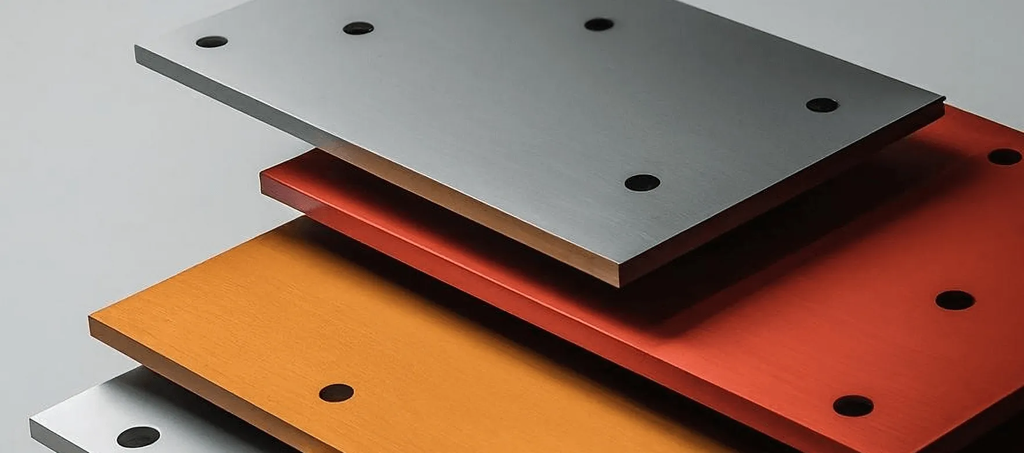
Modern construction and industrial projects increasingly demand materials that combine strength, durability, design flexibility, and reliable performance.
Aluminium sections have become a preferred choice because they support lightweight construction while maintaining the structural properties required for diverse applications. Their versatility makes them suitable for architectural frameworks, windows, doors, facades, partitions, and industrial components. Anodised aluminium sections have also gained popularity across architectural and industrial projects. Their protective surface treatment improves resistance to corrosion, scratches, and everyday wear while providing a clean, consistent finish. This combination of durability and visual appeal makes them suitable for applications where long service life and low maintenance are important. With flexible designs, dependable performance, and strong resistance to environmental conditions, aluminium sections continue to support efficient and durable solutions across modern construction and manufacturing requirements.
Building Long-Term Performance Through Quality Sections
Carefully manufactured aluminium sections can support demanding projects by combining dimensional accuracy, surface protection, and design flexibility with dependable long-term performance.
1. Supporting Lightweight Structural Performance
Aluminium offers a strong balance of strength and weight, making it suitable for applications that require structural performance without unnecessarily heavy components. Quality sections can be designed into precise profiles for architectural frameworks, industrial structures, solar mounting systems, and other applications where ease of handling and reliable performance matter. This lightweight characteristic can also simplify transportation, installation, and assembly while supporting efficient project planning.
2. Improving Resistance Through Surface Treatment
Surface treatment can significantly improve the functional life of aluminium products used in demanding environments. During anodising, an electrochemical process creates a protective oxide layer over the aluminium surface. This layer improves corrosion resistance, surface hardness, and wear protection, making treated sections suitable for indoor and outdoor applications where moisture, weather, or regular contact may affect untreated surfaces.
3. Maintaining Consistent Dimensions And Accuracy
Precision is essential when aluminium sections need to fit into larger assemblies or architectural systems. Modern extrusion processes can produce intricate profiles with tight dimensional tolerances, helping manufacturers achieve consistency across repeated components. Accurate sections support smoother fabrication and installation while reducing problems caused by dimensional variation. This is particularly valuable for projects involving windows, doors, façades, machine frames, and other systems that depend on precise component integration.
4. Supporting Architectural And Design Requirements
Modern projects often require materials that perform well while contributing to a refined visual appearance. Anodising provides options including natural, glossy, matte, brushed, bright, and coloured finishes. As a result, anodised aluminium sections can support architectural elements where appearance and durability must work together. These finishes can be used across façades, windows, doors, interiors, decorative elements, and other visible components without making design flexibility secondary to performance.
5. Reducing Maintenance Requirements Over Time
Durable aluminium sections can reduce the need for frequent maintenance, especially when you select appropriate surface protection for the intended environment. Anodised surfaces resist wear and staining and can generally be maintained through simple cleaning. Their corrosion-resistant properties also make them useful for exterior applications. Lower maintenance requirements can help project owners manage long-term operating costs while preserving both functional performance and visual quality.
Surface Protection Enhancing Aluminium Project Value
Choosing the right finish helps aluminium sections perform reliably while maintaining the appearance and functional qualities expected in modern construction and industrial applications.
The performance of anodised aluminium sections depends on surface preparation, anodising conditions, oxide-layer characteristics, sealing, and quality inspection. A controlled anodising process creates a protective surface that helps aluminium withstand corrosion and everyday wear. Sealing further closes open pores in the oxide layer, supporting improved durability. Quality checks can include examining oxide-layer thickness and hardness as well as inspecting the finished surface for defects. These controlled processes are especially valuable for sections used in visible architectural applications, where consistent appearance matters as much as long-term performance.
Reliable Aluminium Solutions For Diverse Applications
Quality aluminium sections can serve different project requirements because they can be manufactured into standard or customized shapes and adapted to multiple industries. Their combination of strength, corrosion resistance, thermal conductivity, and design flexibility makes them useful for architecture, automotive systems, electronics, industrial equipment, solar structures, and aerospace applications.
1. Supporting Modern Architectural Systems
Architectural projects use aluminium sections in façades, windows, doors, curtain walls, and structural frameworks. Their lightweight nature, corrosion resistance, and finishing options make them practical for contemporary buildings. Treated surfaces can also help maintain a consistent appearance where profiles remain exposed to weather and regular environmental conditions.
2. Enabling Industrial And Engineering Applications
Industrial systems often require profiles that can be shaped for specific structural or functional purposes. Aluminium extrusion supports customized cross-sections for machine frames, conveyor systems, safety guarding, heat-management components, and modular structures. Precision manufacturing allows profiles to integrate effectively with other engineered components.
3. Supporting Solar And Sustainable Infrastructure
Aluminium sections are widely used in solar mounting systems because they combine strength, corrosion resistance, and relatively low weight. These properties can support reliable outdoor installations while reducing the material burden associated with heavier structural alternatives. Their durability also supports longer-term infrastructure planning.
4. Providing Flexible Finishing Possibilities
Projects may require different visual or functional finishes depending on their environment and design requirements. Anodising, powder coating, and polishing can provide different surface characteristics. The availability of multiple finishing options allows designers and manufacturers to select treatments according to appearance, durability, and intended application.
5. Strengthening Quality Assurance Practices
Consistent quality depends on testing and inspection throughout manufacturing. Advanced quality-control systems can evaluate properties such as hardness, conductivity, dimensions, and material characteristics. Strong inspection practices help identify potential inconsistencies before products reach customers, supporting greater reliability across demanding applications.
Conclusion
Durable aluminium sections can contribute significantly to modern projects by combining lightweight construction, dimensional precision, corrosion resistance, attractive finishes, and long-term usability. Choosing the appropriate extrusion design and surface treatment can help improve performance while reducing maintenance demands across architectural, industrial, and infrastructure applications.
For organisations seeking dependable anodised aluminium sections, JM Aluminium provides aluminium extrusion and anodising capabilities supported by advanced manufacturing, surface-finishing options, and quality-control processes. Their capabilities include standard and customised aluminium profiles, anodising finishes, and precision manufacturing for diverse industry requirements, helping project teams select solutions suited to performance, durability, and design objectives.