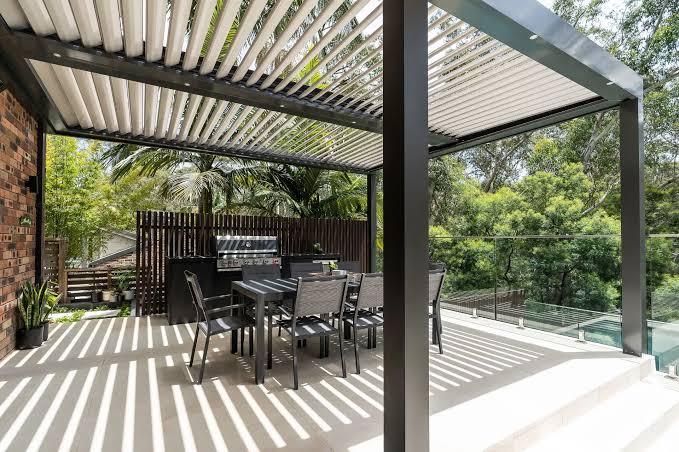
Installing a louvre roof can improve how an outdoor area works throughout the year. However, the quoted roof price may not cover every part of the project. The final louvre roof cost in Australia can also include site preparation, approvals, electrical work, drainage and finishing. These extra items can affect the overall budget. Planning for them early can help homeowners avoid unexpected expenses and make better decisions before installation begins.
Site Preparation and Existing Structures
The condition of the existing outdoor area can affect installation costs. Uneven ground, old paving or ageing structures may need extra work before construction starts. In some cases, existing roofing, posts or fittings may need removal. Additional preparation can also be required if the site has limited access. A proper site inspection can help identify these needs before the project starts.
Council Approvals and Building Requirements
Some louvre roof projects may require council approval, permits or other documentation. Requirements vary by state, council, and property type. Larger structures may also need drawings or supporting information before work begins. These requirements can add professional or administrative costs. Homeowners should confirm local rules early rather than assume every project follows the same process.
Structural and Engineering Requirements
A louvre roof needs suitable support from posts, beams, footings and attachment points. The required design can change depending on roof size, span and site exposure. Properties in higher-wind areas may need additional engineering or stronger connections. Existing structures may also need reinforcement before supporting a new roof. These changes can increase costs beyond the basic roofing system.
Electrical Work and Automated Features
Many louvre roofs include powered opening systems, lighting or weather sensors. These features may require electrical connections and professional installation. Existing power points may not always be in a suitable location. Additional cabling, switches or control systems can increase the final project cost. Electrical work should meet local requirements and be completed by an appropriately licensed professional.
Drainage and Stormwater Planning
Rainwater management is another cost that homeowners may overlook. Louvre roofs need suitable gutters, downpipes and drainage paths to move water away from the structure. Existing drainage may need changes to suit the new roof. Poor drainage planning can lead to overflow or water collecting near the outdoor area. Include drainage requirements in the initial project scope.
Roofing Materials and Design Choices
Material choice can influence both appearance and budget. Some projects combine louvre sections with fixed roof areas to suit different parts of the outdoor space. Homeowners comparing insulated roofing panels in Melbourne may also need to consider finishes, insulation levels and supporting framing. Each choice can affect material and installation costs.
Roof shape and overall design can also affect the budget. Larger spans, custom layouts and added sections may require more labour or support. When comparing insulated roofing panels, consider the full installation rather than the panel price alone.
Access and Installation Conditions
Site access can affect how easily materials and equipment reach the work area. Narrow side access, sloping blocks or nearby structures may increase labour requirements. Some locations may also need additional lifting equipment or careful material handling. These conditions do not apply to every property. However, they can increase installation time and should be assessed before final pricing.
Finishing and Other Small Costs
Finishing work can add to the total project budget. Painting, sealing, trim work and surface repairs may be needed after installation. Homeowners may also add lighting, screens, or other features later. These items may seem minor on their own. Together, they may noticeably affect the final cost.
Ongoing Maintenance Considerations
Regular maintenance can also form part of the long-term budget. Gutters may need cleaning, while moving parts should be checked according to manufacturer guidance. Visible fixings, seals and drainage points may also need occasional inspection. Homeowners should consider these future needs when estimating the overall louvre roof cost in Australia. Allowing for maintenance can support reliable performance over time.
Conclusion
A louvre roof budget should cover more than the main roofing system. Site preparation, approvals, engineering, electrical work, drainage and access can all affect the final cost. Material choices and finishing work may also add to the total. Understanding these items early can make budgeting more accurate. A detailed site assessment and clear project scope can help homeowners understand what installing insulated roofing panels in Melbourne will likely involve before work begins.