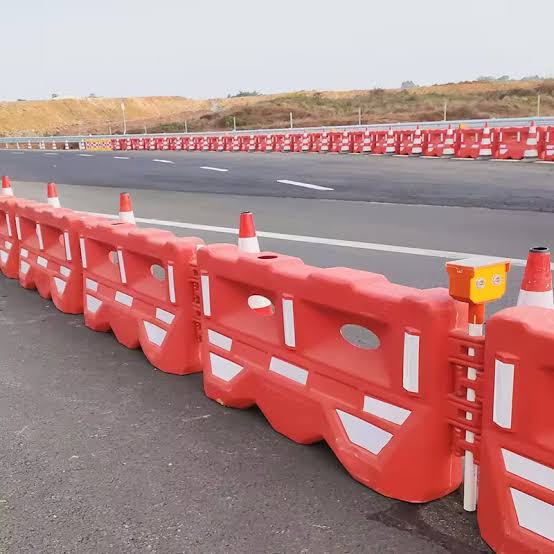
Safety equipment can help reduce risks where vehicles, pedestrians and machinery share the same space. The right option depends on the hazard, location, and worksite needs. Safety barriers provide physical separation, while barricades mainly restrict access to specific areas. Understanding these differences helps you choose suitable equipment for different situations. The right choice can support safer workplaces, events, construction zones and temporary work areas.
What are safety barriers?
Safety barriers create a physical boundary between people, vehicles and hazardous areas. They can help control movement and reduce the chance of accidental entry.
They are commonly used to:
- Separate people and vehicles: Keep pedestrians away from moving vehicles, forklifts, and machinery.
- Protect work areas: Mark construction, maintenance and repair zones while keeping unauthorised people away.
- Control movement and mark hazards: Guide people through busy areas and make potential hazards easier to identify.
The right barrier can provide a clear boundary around higher-risk areas. It can also support safer movement for workers, visitors and the public.
What are barricades?
Barricades help restrict access to specific areas and warn people about temporary hazards. They are useful when access needs to change for a short period. They are commonly used for:
- Road and pathway closures: Block access during temporary roadworks, repairs or maintenance.
- Maintenance and restricted areas: Keep people away from work zones, servicing areas and places they should not enter.
- Events and temporary hazards: Guide crowds and mark areas affected by spills, damaged surfaces or other short-term risks.
Barricades provide a practical option when you need temporary access control. You can move or reposition them as site conditions change.
Safety barriers vs barricades: What is the difference?
The main difference is how each option manages access and physical separation. Safety barriers can provide stronger separation, while barricades mainly restrict access. The key differences include:
- Purpose and protection: Safety barriers help separate people from vehicles and machinery. Barricades mainly prevent entry into restricted areas.
- Duration and movement: Safety barriers can suit ongoing risks, while barricades work well for temporary conditions and are easier to relocate.
- Visibility and control: Both options can clearly mark hazards. Barricades can also guide people around temporary work areas.
Your choice should depend on the hazard, location and level of protection required. Consider how people and vehicles use the area before selecting an option.
Key factors to consider before buying
The barrier should suit the conditions of the area where you plan to use it. Consider its durability, size and ease of use before buying. Before selecting a product, consider:
- Material and durability: Choose a barrier that can handle regular use and the site’s conditions.
- Size and visibility: Make sure it fits the available space and stays easy to see.
- Stability and maintenance: Check that it stays secure and does not require more upkeep than your site can manage.
A suitable traffic barrier should match the site’s risks, space, and access-control needs.
Conclusion
The right barrier depends on the hazard, location and intended use. Safety barriers can suit areas that need stronger physical separation, while barricades can support temporary access control. Consider traffic flow, visibility, stability, and the level of protection required before choosing. Selecting suitable equipment can help create clear boundaries and reduce risks for employees, visitors and the public. A practical choice can also support safer daily operations.