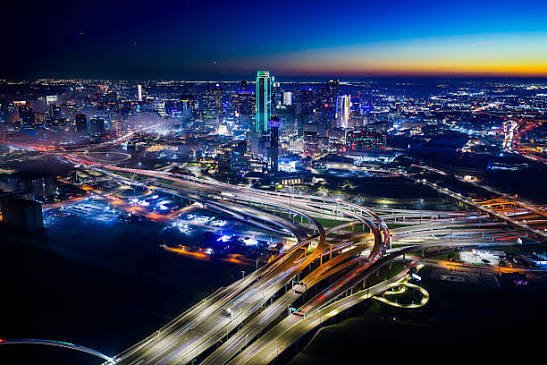
Aerial photography can provide useful views of Dallas commercial properties, including buildings, parking areas, access roads, and surrounding land. However, commercial drone operations must follow Federal Aviation Administration (FAA) requirements. Understanding these requirements can help property owners choose qualified professionals, avoid scheduling problems, and plan photography sessions around safe and authorized flight conditions.
What FAA Rules Apply to Commercial Drone Photography?
Most commercial operations involving small drones weighing less than 55 pounds fall under FAA Part 107. These regulations cover pilot certification, drone registration, airspace, and operating requirements.
Important requirements include:
- Keeping the drone within visual line of sight, unless an applicable waiver permits otherwise.
- Checking airspace restrictions before operating.
- Avoiding careless or reckless operations.
- Following applicable requirements for flights over people or moving vehicles.
Following these rules helps pilots conduct commercial property photography safely and legally.
Does a Dallas Aerial Photographer Need an FAA Certificate?
A Dallas aerial photographer conducting commercial drone operations under Part 107 generally needs an FAA Remote Pilot Certificate. First-time applicants must meet FAA eligibility requirements, pass the initial aeronautical knowledge exam, and complete the certification process.
Certificate holders must complete FAA online recurrent training within the previous 24 calendar months to maintain aeronautical knowledge recency. The Remote Pilot Certificate must also be easily accessible during UAS operations.
What Drone Registration and Remote ID Rules Apply?
Drones operated under Part 107 must be registered with the FAA. Part 107 registration applies to each drone and is currently valid for three years. Drones that are required to be registered must also comply with Remote ID requirements.
Pilots can generally comply with Remote ID by:
- Operating a Standard Remote ID drone.
- Using a Remote ID broadcast module.
- Flying a drone without Remote ID equipment within an FAA-Recognized Identification Area (FRIA).
When using a FRIA to operate without Remote ID equipment, both the pilot and drone must remain within its boundaries, and the drone must remain within visual line of sight.
Why Does Dallas Airspace Matter?
A property’s location can determine whether FAA authorization is required. Operations in Class B, C, D, and surface-area Class E controlled airspace require prior FAA authorization. Class G operations generally do not require air traffic control authorization, although other restrictions may still apply.
Before a commercial property shoot, pilots should:
- Check the property’s airspace classification.
- Review current flight restrictions.
- Obtain required airspace authorization.
LAANC can provide near-real-time authorization for eligible controlled-airspace operations. Other airspace authorization requests may be submitted through FAA DroneZone.
What Should You Ask Before Hiring a Drone Photographer?
Property owners should review several factors before choosing a professional, including:
- FAA Certification: Confirm appropriate Remote Pilot certification.
- Drone Registration: Check that the aircraft is properly registered.
- Remote ID: Ask how the drone meets applicable requirements.
- Airspace Checks: Confirm authorization is obtained when required.
These checks can help businesses select a qualified professional and avoid preventable compliance or scheduling issues.
Conclusion
Commercial real estate drone photography can support marketing, construction updates, development, and property management. Working with an experienced Dallas aerial photographer who understands certification, registration, Remote ID, airspace authorization, and operating requirements can help businesses plan safer, compliant flights while obtaining useful aerial images of their properties.