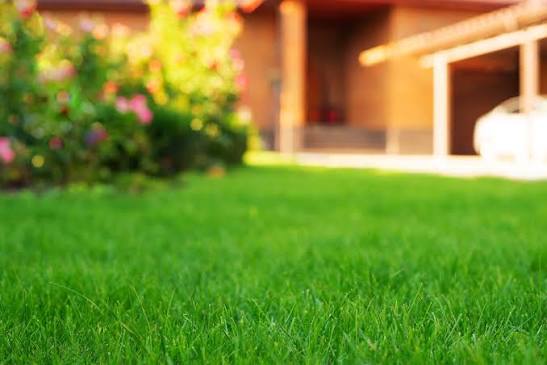
Choosing the best lawn seed can influence how evenly a lawn establishes and how well it performs over time. Grass species differ in their preferred climate, sunlight, soil conditions and level of use. Considering these factors before selecting seed can provide a stronger foundation for healthy growth and a consistent lawn.
Consider Your Local Climate
Climate plays an important role in determining which grass seed suits your garden. Warm-season grasses generally perform best during warmer conditions, while cool-season grasses favour cooler temperatures. In Australia, warm-season varieties are widely grown, particularly across warmer regions. Checking local temperatures, rainfall patterns and seasonal conditions can help narrow the available choices.
Check the Amount of Sunlight
The amount of sunlight reaching the lawn can affect grass growth and density. Some grass types perform well in sunny locations, while others tolerate partial shade better. Observe the area at different times of day and consider seasonal changes caused by nearby trees or buildings. Matching the grass to available sunlight encourages more consistent coverage.
Think About Lawn Use
How you’ll use a lawn should also guide seed selection. Different areas may require different levels of wear tolerance and maintenance. Consider the following factors before choosing:
- Regular Activity: Frequently used lawns benefit from grasses with good wear tolerance.
- Appearance: Decorative lawns may prioritise finer leaves and uniform growth.
- Maintenance: Grass varieties differ in their mowing, watering and feeding requirements.
- Recovery: Some grasses recover from regular wear faster than others.
Balancing appearance, use and maintenance requirements can make it easier to select a grass that suits the space.
Understand Your Soil
Healthy establishment also depends on suitable soil conditions. Before sowing, clear weeds and debris, loosen compacted areas and rake the surface evenly. Grass seed generally benefits from good contact with prepared soil. Drainage and soil structure also matter, as good conditions encourage root development and support more uniform establishment.
Compare Suitable Seed Options
Seed products may contain a single grass species or a mixture selected for particular growing conditions. Reading the product information can help identify the intended climate, sunlight requirements and recommended use. Some popular Australian lawn grasses are commonly established using turf or other vegetative material rather than seed. For gardens with specific growing requirements, a Lawn Consultant in Adelaide can also help you compare suitable options.
Sow and Maintain the Lawn
Correct sowing and early care can improve germination and establishment. Follow several basic practices during this stage:
- Prepare the Surface: Create a fine, level seedbed before sowing.
- Spread Seed Evenly: Follow the recommended application rate on the packaging.
- Maintain Moisture: Keep the seedbed consistently moist during germination.
- Follow Instructions: Use the recommended sowing depth and establishment guidance.
Consistent early care gives young grass the conditions it needs to develop roots and establish even coverage.
Conclusion
The best lawn seed depends on climate, sunlight, soil, lawn use and maintenance preferences. Selecting the right species is only part of successful lawn establishment, as soil preparation, correct sowing, and moisture management also influence the result. Carefully compare seed options and follow the supplier’s establishment instructions to help you create a thick, even, healthy lawn.