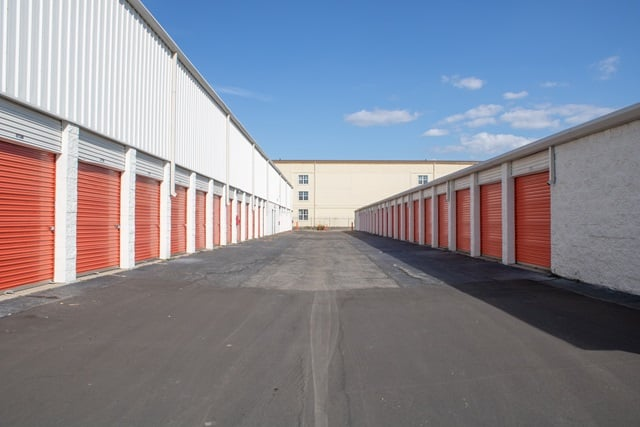
Clearing out clutter when you are in the middle of a move, home renovation, or just running out of room for seasonal gear can quickly become an overwhelming puzzle. Rather than cramming every closet and corner of your house, renting a dedicated storage unit offers a practical way to keep your belongings secure, organized, and easy to grab whenever you actually need them.
Picking a public storage unit takes a bit more strategy than just grabbing the first empty room you find. Unit sizing, security features, 24/7 accessibility, lease terms, and climate control conditions all make a massive difference in how smoothly your experience goes. Knowing what to look for ahead of time ensures you lock down a facility that actually matches your belongings and your lifestyle.
Assess What You Need to Store
Before locking down a storage unit, draft a detailed inventory list of every single item you intend to pack away. This initial step lets you accurately calculate your required square footage while flagging any sensitive belongings that demand specialized environmental conditions.
Differentiate between belongings you need to access on a regular basis and possessions that can sit undisturbed for months. Diverse items like furniture pieces, seasonal wardrobes, appliances, important records, packed cartons, and household gear each demand distinct care and preparation. Take into account the physical dimensions and geometry of oversized possessions. A couch, mattress set, dining table, or closet wardrobe claims substantially more floor area and volume than a collection of compact cartons. Taking accurate measurements of these bulky items beforehand makes it much simpler to calculate the exact storage unit dimensions you will need.
Choose The Right Storage Size
Picking a storage unit that falls short on square footage turns organization into a logistical nightmare, whereas booking an oversized room means wasting money on empty capacity. Prior to signing a lease, calculate the total volume of your gear and plan out your layout. Make sure to map out clearance walkways so you can pull boxes or large items without dismantling half your stack.
If your inventory is likely to fluctuate, verify whether the management permits hassle-free unit transfers. Having that operational flexibility is a lifesaver if your stored volume expands or shrinks down the road.
Consider The Storage Conditions
Varied possessions demand tailored environmental safeguards. Items like furniture pieces, electronic devices, apparel, literature, creative artwork, and vital paperwork require robust defense against high humidity, airborne dust, thermal swings, or harsh atmospheric conditions. Inquire about the baseline climate and air quality managed throughout the facility. You should also determine if your possessions call for specialized protective packaging prior to placement.
For instance, garments benefit from sealed storage bins, whereas delicate goods demand heavy-duty wrapping materials and sturdy cardboard containers. Elevating items off the ground when feasible adds an extra layer of defense against unexpected floor-level dampness.
Evaluate Security Measures
Security should serve as a primary factor when evaluating different storage facilities. Prior to making your final choice, carefully examine the safety protocols and protective measures in place to safeguard your possessions.
- Controlled access: Check whether entry is limited to authorized customers and staff.
- Surveillance: Find out whether cameras monitor entrances, common areas, and other relevant parts of the facility.
- Access management: Understand how customers gain entry and whether individual access controls are available.
- Site security: Look for secured entry points, alarms, and other protective measures.
- Storage practices: Ask whether there are specific guidelines for storing valuable, fragile, or sensitive belongings.
A clear understanding of the facility’s security arrangements can help you make a more informed decision about where to keep your possessions.
Check Accessibility And Operating Hours
Having convenient access to your stored gear is essential when you need to retrieve items. Prior to signing up with a facility, review their exact operating hours and gate access rules. Consider how often you realistically plan to drop by. If you are only stashing seasonal gear for occasional use, restricted visiting hours might not pose an issue. Conversely, items requiring frequent retrieval demand much more flexible access policies. Evaluate the facility’s internal layout as well. Smooth navigation throughout the property makes loading, unloading, and pulling boxes significantly less stressful.
Understand The Rental Terms And Pricing
The rental agreement should be reviewed carefully before you commit to a storage space. Look beyond the advertised monthly price and understand the complete arrangement.
- Monthly charges: Confirm the amount payable for the selected storage space.
- Rental duration: Check whether there is a minimum rental period and how renewals work.
- Additional fees: Ask about deposits, access charges, transportation-related costs, or other applicable fees.
- Payment schedule: Understand payment due dates and available payment methods.
- Notice requirements: Check how much notice is required when ending the rental agreement.
- Self storage rent: Compare the overall self storage rent with the space, accessibility, security, and facilities provided.
Reading the terms carefully can help prevent unexpected expenses and make it easier to plan your storage budget.
Look For A Facility That Matches Your Requirements
There is no single storage solution that works equally well for every household. The right choice depends on what you own, how much space you need, how often you need access, and how long you expect to store your belongings. For people with furniture, appliances, boxes, and other household possessions, a household storage facility can provide dedicated space outside the home while keeping belongings organized. However, it is still important to compare facilities rather than choosing one based only on size or price.
When comparing a public storage unit, consider the storage environment, access arrangements, security measures, rental conditions, and overall convenience. A little research before moving your belongings can make the storage experience considerably easier.
Wrapping Up!
Selecting an ideal public storage unit demands looking beyond simple box counts. Carefully weigh factors like unit dimensions, environmental controls, safety measures, entry access, lease terms, and overall practicality before locking in your choice. Adequate preparation and systematic organization likewise ensure you can easily locate and retrieve items whenever necessary.
For households seeking a dependable storage solution, Avati Safe Storage provides dedicated facilities tailored to accommodate diverse residential storage demands. Assessing your inventory and clarifying your top priorities beforehand will help you maximize the value and efficiency of the space you select.