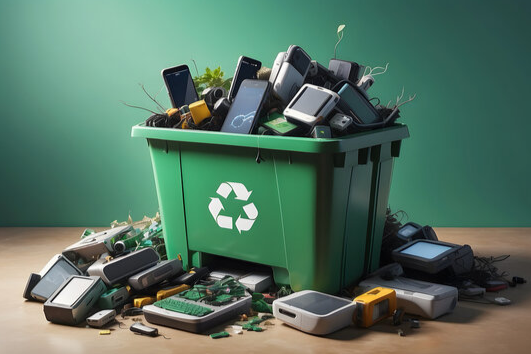
Businesses regularly replace computers, servers, networking equipment, storage devices, and other technology as their operations grow. While these upgrades improve productivity, they also create increasing amounts of outdated electronic equipment that requires careful handling and responsible disposal.
A professional IT scrap buyer can help businesses manage unwanted technology while supporting organised collection, secure handling, responsible recycling, and value recovery. Instead of allowing obsolete equipment to occupy valuable storage space, companies can establish structured disposal practices that protect information, improve workplace organisation, and support more sustainable technology management.
Building Responsible IT Disposal Practices For Businesses
Responsible IT disposal combines secure data handling, organised collection, proper evaluation, and environmentally conscious processing.
1. Creating A Structured Disposal Process
Businesses should establish a clear process to identify, separate, and prepare outdated IT equipment for disposal. Businesses can categorise computers, servers, hard drives, printers, networking devices, cables, and other electronic components by condition and potential value. A structured process prevents companies from discarding useful equipment unnecessarily and makes large-scale clearance easier to manage. It also helps companies maintain better records of retired assets and ensures equipment moves through appropriate disposal channels instead of sitting unused in offices or storage areas.
2. Protecting Sensitive Business Information
Data security should remain a major consideration when retiring electronic equipment. Computers, laptops, servers, and storage devices may contain confidential business records, employee information, customer details, or operational data. Before equipment leaves company premises, businesses should ensure that appropriate data destruction or secure erasure procedures are completed. Pay particular attention to hard drives and SSDs because simply deleting files may not provide sufficient protection. A documented approach to data handling can reduce unnecessary information-security risks during disposal.
3. Separating Equipment According To Condition
Not every retired device should automatically be treated as waste. Some equipment may still contain reusable components, while other devices may be suitable only for material recovery. Businesses can separate working, damaged, outdated, and non-functional equipment before collection. This makes evaluation easier and helps determine the most appropriate next step for each item. Components such as computers, servers, networking equipment, motherboards, storage devices, and cables may have different recovery potential. Proper categorisation can therefore improve both disposal efficiency and potential financial returns.
4. Reducing Unnecessary Storage Requirements
Old technology can quickly occupy valuable office, warehouse, and storage space. Keeping obsolete devices for long periods also complicates future disposal because equipment accumulates over time. Regular technology audits can help organisations identify assets that are no longer required. Once devices are approved for disposal, arranging timely collection can free storage areas and create a more organised workplace. A consistent disposal schedule is particularly useful for businesses that regularly upgrade their IT infrastructure or manage equipment across multiple departments.
Smarter Asset Recovery Through Professional IT Handling
Professional disposal can help businesses turn retired technology into a more organized asset-recovery process while reducing operational and environmental concerns.
When selecting an it scrap buyer, businesses should consider factors such as evaluation transparency, collection arrangements, data-security procedures, recycling practices, and experience handling corporate equipment. A suitable disposal process should make it easier to clear obsolete assets without creating additional administrative burdens. Businesses managing large quantities can also benefit from planned collection schedules and clear documentation. This approach helps organisations manage technology retirement more efficiently while creating opportunities to recover value from equipment that might otherwise remain unused or be discarded without proper assessment.
Key Considerations For Efficient Technology Disposal
A reliable disposal strategy should address financial value, information security, operational convenience, and environmental responsibility.
1. Evaluating Equipment Before Disposal
Equipment evaluation helps businesses understand what they are actually retiring. Age, condition, configuration, functionality, and component quality can influence the potential value of different devices. Instead of treating every item as ordinary waste, companies can arrange a proper assessment before final disposal. This is particularly useful when clearing large quantities of computers, servers, networking equipment, or storage devices. A clear evaluation process also helps businesses maintain better internal records and understand the financial implications of their technology replacement cycles.
2. Planning Collection For Corporate Clearances
Large organizations may need to dispose of equipment from offices, warehouses, branches, or multiple departments. Coordinated collection makes this process more manageable by reducing repeated handling and unnecessary transportation arrangements. Businesses can prepare equipment in advance, create an inventory, and schedule collection according to operational requirements. Planned clearances can also reduce disruption to employees while ensuring that retired technology is removed efficiently. For companies upgrading infrastructure regularly, establishing recurring disposal procedures can make future asset transitions considerably smoother.
3. Maintaining Clear Documentation
Documentation provides businesses with a record of equipment leaving their premises. Inventory lists, valuation information, collection records, data-destruction details, and recycling documentation can help organizations maintain greater control over retired assets. Clear records are especially useful for companies handling sensitive technology or large equipment volumes. They can also support internal accountability by showing when assets were removed and how they were processed. Maintaining organized documentation therefore adds an important administrative layer to responsible IT disposal.
4. Considering Data Security At Every Stage
Data protection should not stop when equipment is disconnected from the company network. Retired devices may continue to contain information even when they are no longer operational. Businesses should therefore consider secure data destruction before collection, transportation, and recycling. Storage devices deserve particular attention because they can contain significant amounts of business information. Clear responsibilities for data wiping or destruction reduce uncertainty and ensure information security remains part of the disposal process, not an afterthought.
Conclusion: Creating A Smarter IT Disposal Strategy
Responsible technology disposal requires businesses to combine secure data management, proper asset evaluation, organised collection, and environmentally conscious recycling. A structured approach can reduce storage challenges, protect sensitive information, improve operational efficiency, and create opportunities to recover value from outdated equipment.
For businesses looking for an IT scrap buyer in Dubai, IT scrap buyer provides IT asset disposal and recycling services for equipment such as computers, laptops, servers, networking devices, storage systems, printers, and other electronic components. Their services are designed to support convenient collection, secure handling, responsible processing, and efficient disposal for individuals and corporate clients across the UAE.