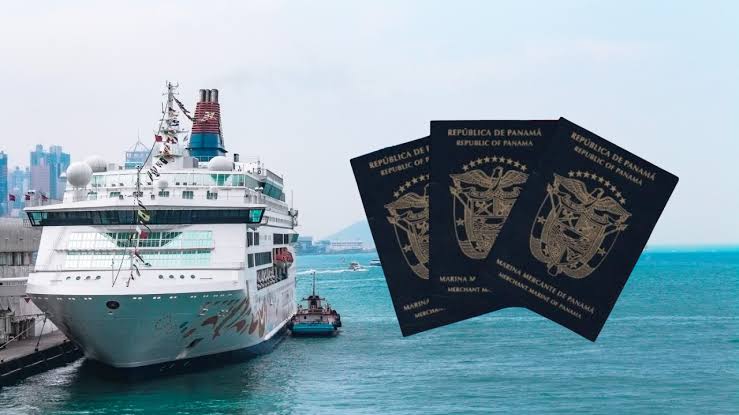
Cruise ship crew need seafarer documents that match their employment, nationality, role, and vessel requirements. The term Cruise ship seaman book commonly refers to a record used for seafarer identification and sea service. Checking the vessel’s flag, employer instructions, and issuing authority’s rules helps crew members prepare suitable documents and complete the joining process efficiently.
What Is a Seaman’s Book for Cruise Ship Crew?
A seaman’s book generally records a seafarer’s identity and sea-service information. Depending on the maritime administration, it may also be called a Seaman’s Record Book or Continuous Discharge Certificate (CDC). Its exact name, contents, eligibility rules, and functions vary by jurisdiction.
For cruise ship crew, the document can provide an official record of employment or service at sea. Each maritime administration sets its application requirements. Crew members should use the official document name and application process specified by the relevant issuing authority.
Why Does the Cruise Ship’s Flag State Matter?
A flag state is the country where a ship is registered. Its maritime administration regulates the vessel under national laws and applicable international maritime conventions. The cruise line or shipowner selects the vessel’s registry, while crew members follow documentation requirements relevant to their assignment.
A crew member’s nationality, qualifications, position, and existing seafarer documents can influence the required paperwork. The flag administration may also require specific certificates, endorsements, or recognition of qualifications. Employer instructions help crew members identify requirements for their assigned vessel.
Which Flag State Seaman’s Book Should Crew Members Choose?
Crew members should base their documentation on their assigned ship and applicable maritime requirements. Important factors to review include:
- Vessel Flag: Confirm the country where the cruise ship is registered.
- Issuing Authority: Identify the maritime administration that can issue the required seafarer document based on eligibility.
- Crew Position: Check the certificates or endorsements required for the onboard role.
- Employer Instructions: Follow the cruise line or crewing agency’s requirements for the vessel.
Together, these checks help crew members follow the appropriate application route for their cruise ship assignment.
What Documents Should Crew Members Prepare?
Application requirements vary by issuing authority and document type. Common supporting documents and information may include:
- Identity Documents: Provide the passport or identification requested by the issuing authority.
- Photographs: Submit photographs that meet current size and format requirements.
- Employment Information: Provide vessel, employer, or joining details when required.
- Professional Certificates: Submit relevant maritime qualifications or training certificates when applicable.
Crew members should follow the issuing maritime administration’s current checklist when preparing their application.
How Can Crew Members Prepare for the Application?
Start by confirming the assigned vessel’s flag and employer’s document checklist. Then identify the authority responsible for issuing the required seafarer record and review its eligibility criteria, application forms, supporting documents, fees, and submission process.
For a Cruise ship seaman book, verify the exact official document required for the assignment. Matching the application with the issuing authority’s requirements helps crew members provide accurate information and prepare their seafarer documentation for employment processing.
Conclusion
Choosing the appropriate seaman’s book depends on the crew member’s eligibility, assigned vessel, role, and applicable maritime requirements. Crew members should confirm the vessel’s flag, employer instructions, issuing authority, required certificates, and supporting documents before applying. Following current official requirements helps ensure seafarer records match the cruise ship assignment and support an efficient joining process.