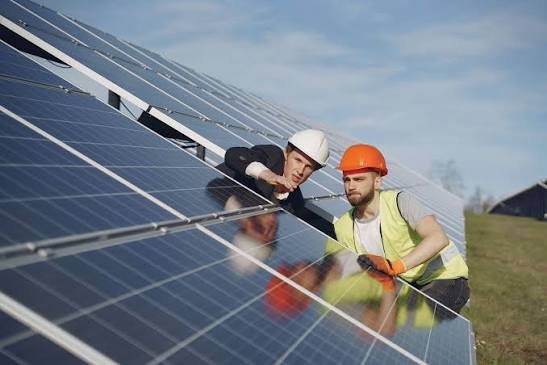
Solar energy has become an increasingly popular option for homeowners looking to generate electricity and reduce their dependence on traditional power sources. As more residential properties adopt photovoltaic systems, understanding the condition of solar panels and their associated components has become an important part of property maintenance.
Solar installations can operate for many years, but they are exposed to sunlight, rain, wind, debris, and changing weather conditions. A professional inspection can help identify observable concerns and determine whether additional evaluation or maintenance may be appropriate.
Why Solar Panel Inspections Matter
A solar energy system consists of more than the panels visible on the roof. Depending on the installation, it may include racking, wiring, inverters, disconnects, mounting components, and other electrical equipment.
Over time, these components can experience wear or damage.
Potential concerns may include:
- Cracked or damaged panels
- Loose mounting components
- Deteriorated wiring
- Corrosion
- Water intrusion
- Damaged flashing
- Obstructed panels
- Inverter issues
- Roof-related concerns
Professional solar panel inspection services can provide homeowners with a structured evaluation of accessible components and help identify conditions that deserve further attention.
What Does a Solar Panel Inspection Cover?
The exact scope of an inspection depends on the property, system design, accessibility, and inspection agreement. A professional may review visible components and document their apparent condition.
Solar Panels
Panels can be inspected for visible damage, cracks, discoloration, debris accumulation, or other observable conditions.
Even small physical damage can deserve further evaluation because panels are exposed continuously to weather.
Mounting and Racking
Solar panels are secured to the roof or another supporting structure using mounting and racking systems.
An inspection may look for visible:
- Loose components
- Corrosion
- Deterioration
- Improperly positioned hardware
- Signs of movement
Specialized structural evaluation may be necessary if significant concerns are identified.
Electrical Components
Solar installations involve electrical equipment that should be handled carefully.
Depending on the inspection scope, accessible components may include:
- Inverters
- Disconnects
- Conduit
- Visible wiring
- Electrical connections
An inspector can document observable concerns, but electrical repairs or specialized testing should be performed by a properly qualified solar or electrical professional.
Homeowners should never attempt to disconnect or repair energized solar equipment themselves.
Roof Condition Is Also Important
Solar panels are commonly installed on roofs, making the condition of the underlying roof an important consideration.
Before installing or when evaluating an existing system, homeowners should consider:
- Roof age
- Visible deterioration
- Flashing
- Penetrations
- Water intrusion
- Drainage
- Areas around mounting points
If a roof is approaching the end of its expected service life, homeowners may want to address roofing considerations before major solar work is performed.
Checking for Water Intrusion
Improperly installed or deteriorated roof penetrations can potentially allow water into a building.
During an inspection, professionals may look for visible evidence such as:
- Water stains
- Damaged roofing materials
- Deteriorated flashing
- Moisture-related deterioration
- Interior ceiling staining
A roofing professional may be needed if the inspection identifies a potential roof problem.
Solar Panel Performance
A visual inspection cannot determine the complete electrical performance of a photovoltaic system. Performance concerns may require specialized testing or monitoring data.
Homeowners can review system monitoring information, if available, for unusual changes in energy production.
A sudden decrease in output could have multiple possible causes, including:
- Shading
- Dirty panels
- Equipment problems
- Weather conditions
- Electrical issues
- System degradation
A qualified solar technician can perform appropriate diagnostic testing when performance problems are suspected.
Why Buyers Should Inspect Solar Systems
Solar panels can be an attractive feature when purchasing a home, but buyers should understand what they are acquiring.
Important questions may include:
- Is the system owned or leased?
- How old is the installation?
- Are warranties transferable?
- Who installed the system?
- Are permits and documentation available?
- What maintenance has been performed?
- Are there outstanding financing obligations?
A professional inspection can provide additional information about the visible condition of the installation.
Benefits for Sellers
Sellers can also benefit from obtaining an inspection before listing a property with solar panels.
Identifying concerns early gives homeowners time to:
- Gather system documentation
- Address visible maintenance issues
- Contact the installer
- Obtain repair estimates
- Organize warranty information
Having records available can make it easier to answer questions from prospective buyers.
Documentation Is Valuable
Solar system documentation can be particularly useful during a real estate transaction.
Homeowners should consider keeping:
- Installation records
- Permits
- Equipment specifications
- Warranty documents
- Maintenance records
- Financing or lease agreements
- Installer information
- System monitoring records
Organized documentation can help future owners understand the system and its maintenance history.
Florida Weather and Solar Systems
Florida’s climate exposes solar installations to strong sunlight, heavy rainfall, humidity, and occasional hurricanes. These environmental conditions make regular property maintenance important.
After severe weather, homeowners should look for visible signs of:
- Panel damage
- Displaced equipment
- Damaged mounting components
- Roof damage
- Water intrusion
- Debris impact
If the system appears damaged, homeowners should avoid touching potentially compromised electrical components and contact an appropriately qualified professional.
How Often Should Solar Panels Be Inspected?
There is no universal inspection schedule for every residential solar installation. Frequency can depend on system age, environment, maintenance history, weather exposure, and manufacturer recommendations.
An inspection may be especially useful when:
- Buying a home with solar panels
- Selling a solar-equipped property
- Noticing reduced performance
- After significant weather
- Before a roof replacement
- When the system is several years old
- When visible damage is discovered
Regular monitoring and manufacturer-recommended maintenance should continue between professional inspections.
The Role of Professional Inspection
A professional solar panel inspection services provider can help homeowners identify visible conditions that may otherwise go unnoticed.
However, solar systems involve specialized electrical and structural components. A general property inspection does not necessarily provide the same level of evaluation as a specialized solar-system assessment.
When significant concerns are found, additional evaluation by qualified solar, electrical, or roofing professionals may be appropriate.
Why Solar Inspections Matter in 2026
As residential solar adoption continues to grow, solar installations are becoming an increasingly important part of property ownership. Buyers and sellers need to understand not only the benefits of solar energy but also the condition, documentation, and maintenance requirements of installed systems.
Professional solar panel inspection services can help property owners identify visible issues, document system conditions, and determine whether additional specialist evaluation is needed.
Combining regular monitoring, proper maintenance, and professional inspections can help homeowners make informed decisions about their solar investment.
Conclusion
Solar panels can provide significant benefits to homeowners, but they should be treated as an important building system rather than simply an addition to the roof.
A professional inspection can help identify observable concerns involving panels, mounting hardware, wiring, inverters, roof penetrations, and surrounding areas. Specialized testing may be necessary to evaluate actual electrical performance.
For homeowners, buyers, and sellers in 2026, solar panel inspection services can provide valuable information for maintaining solar-equipped properties and making informed decisions about repairs, maintenance, and future ownership.