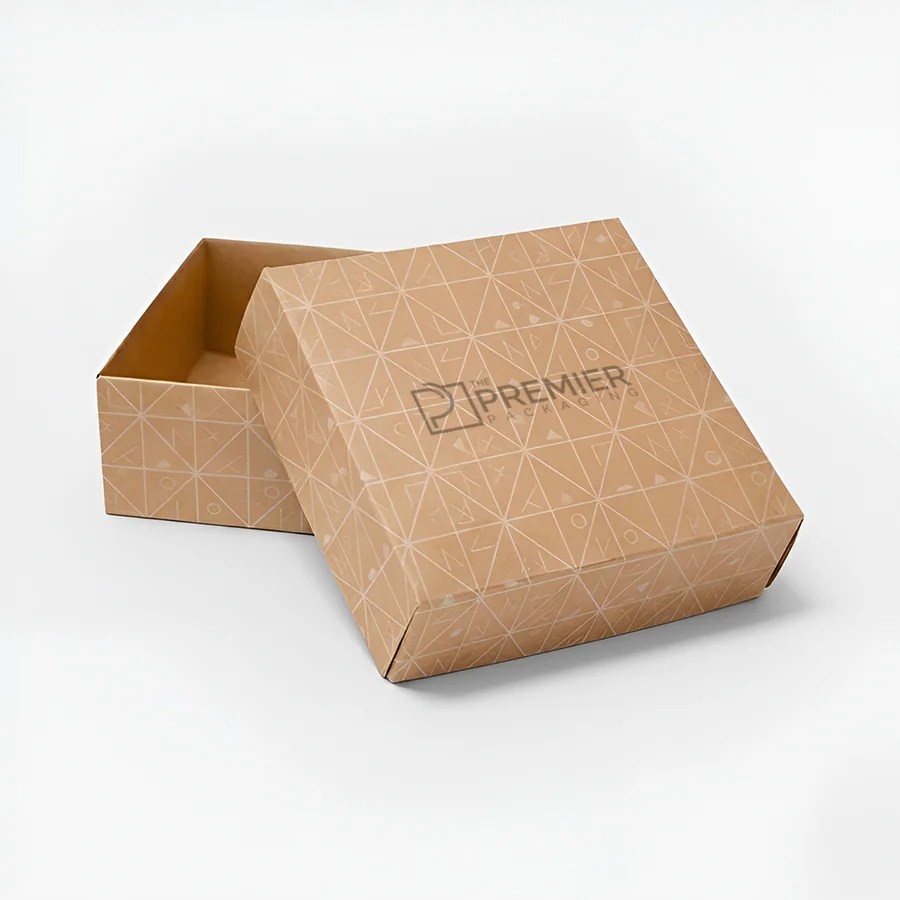
Somebody asked me last week what Kraft even means on a box, figured it was a brand name like the cheese company. It’s not. Kraft’s actually a German word that roughly translates to strength, and it refers to the pulping process used to make the paper, not any particular company. Once you know that, the whole thing makes a bit more sense. Kraft paper exists specifically because it’s stronger than regular paper, and that strength is basically the entire reason it took over so much of the packaging world.
I didn’t know that either until a supplier explained it to me a few years back while I was sourcing boxes for a small side project. Been noticing Kraft packaging everywhere since, honestly, once you start looking for it you can’t unsee it coffee bags, shipping boxes, that slightly rough brown paper wrapped around soap bars at a farmers market stall.
What Kraft Paper Actually Is
Kraft paper comes from wood pulp processed through what’s called the Kraft process, which breaks wood down into cellulose fibers using a chemical pulping method rather than the mechanical grinding used for some cheaper paper types. That process keeps the fibers longer and less damaged, which is basically why Kraft paper ends up so much tougher than standard printer paper or typical cardboard stock. Tear a piece of Kraft paper and compare it to regular paper; the difference is obvious pretty fast.
Most Kraft paper comes in that recognizable brown color, unbleached, because bleaching adds an extra chemical step that a lot of manufacturers skip on purpose these days. Bleached white Kraft exists too, used where a cleaner look matters more than the natural tone, but it costs more and loses a bit of that raw, earthy feel brands often want in the first place.
Where You Actually See It
Shipping boxes are the obvious one; Kraft’s been the default for corrugated shipping packaging for decades because the strength-to-weight ratio is hard to beat for the price. Food packaging leans on it heavily too: bakery bags, coffee pouches, takeout containers partly for strength, partly because Kraft handles grease and moisture better than a lot of alternatives without needing a plastic lining.
Retail brands picked up on Kraft for a different reason, though, mostly aesthetic. That raw brown texture reads as handmade, artisanal, a bit rustic, even when the product inside was made in a big factory. Skincare brands, coffee roasters, and small-batch food companies a lot of them lean on custom Kraft boxes specifically because the material does half the branding work on its own; no fancy print job required.
The Environmental Angle, Which Is Genuinely Strong Here
This is where Kraft actually earns its reputation rather than just riding on a trendy look. Kraft paper is typically made from wood pulp sourced through processes that recover most of the chemicals used, and a lot of Kraft production runs on biomass energy generated from the pulping byproducts themselves, which cuts down on external energy needs quite a bit compared to some other paper processes.
More importantly for most brands, Kraft is highly recyclable and biodegradable in its unbleached form, breaking down naturally without leaving behind the kind of residue plastic-laminated packaging does. Compare that to a glossy coated box, which often needs the coating stripped before recycling facilities can even process it, and Kraft starts looking like the easier option across the board, not just the trendier one.
It’s not flawless, worth saying. Producing Kraft paper still uses a fair amount of water and energy, same as any paper manufacturing process, and not every Kraft product on the market is actually sourced responsibly some suppliers cut corners on forestry practices the same way any industry has bad actors. Looking for FSC certification on Kraft stock is generally the way to confirm the sourcing is legitimate rather than assuming brown paper automatically means sustainable.
Custom Kraft Boxes and What Makes Them Work
The appeal of custom Kraft boxes goes beyond just being the cheap, eco option, though cost does help. Kraft takes print well, especially single-color or two-color designs, and there’s something about ink sitting on that slightly textured brown surface that reads as more considered than the same design printed on bright white stock. A lot of brands intentionally keep printing minimal on Kraft packaging for exactly this reason: one logo, one line of text, plenty of open space, because the material itself is already doing visual work.
Structurally, Kraft board holds up well for both rigid and corrugated packaging, so it’s not limited to soft bags or basic mailers. Rigid Kraft boxes with a laminate finish still get used for premium products, proving the material isn’t just for budget packaging even though that’s often the first association people have with it.
Final Words
Kraft makes sense if your product benefits from that natural, unprocessed look, or if sustainability is a real part of your brand story rather than an afterthought. It’s less of a fit if you need bright, saturated colors or a glossy premium finish, since craft’s whole appeal is the raw texture, and heavy printing tends to fight against that rather than work with it.
For a lot of brands, Kraft ends up being both the practical choice and the values-driven one at the same time, which doesn’t happen that often in packaging decisions. Most materials force some kind of tradeoff between cost, appearance, and environmental impact. Kraft’s one of the rare options where those three things mostly line up instead of pulling in different directions.