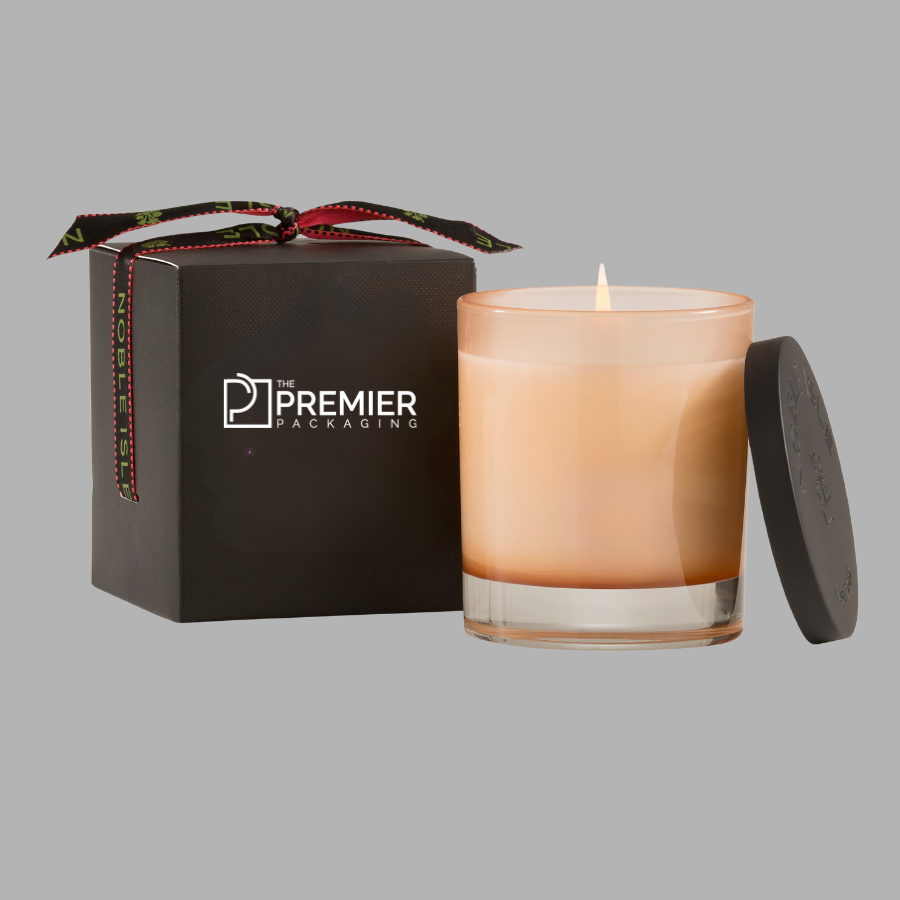
Candle brands that sell both jar and tin candles sometimes assume the packaging process is identical, only scaled up or down to fit the jar or tin. That’s the thing that most brands don’t realize until they start to know where the breakage and return complaints are coming from, that there is more damage caused in shipping. Glass and metal are very different when it comes to pressure, impact, and temperature, and one is protected all the way, while the other remains highly vulnerable.
Glass and Metal Fail in Different Ways
The core issue comes down to how each material responds to stress. Glass jars are rigid but brittle – they hold their shape well under even pressure but can crack, chip, or shatter from a sharp impact or an uneven point of pressure, even a relatively minor one. Tin containers are the opposite. They’re far less likely to break outright, but they dent easily, and a dent is permanent in a way that’s immediately visible and hard to disguise once it’s happened.
That fundamental difference changes what “protection” actually needs to mean for each format. Jar candles need packaging that prevents sharp impacts and distributes pressure evenly. Tin candles need packaging that prevents the kind of localized pressure that leaves a visible dent, even if the container never comes close to actually failing structurally.
What Jar Candles Specifically Need
Glass containers are unforgiving about impact points. A jar candle that shifts even slightly inside its box and knocks against a hard surface can crack, sometimes in a spot that isn’t visible until the candle’s actually being used and heat causes an existing hairline fracture to spread.
A few protective priorities matter most for jar candles:
- Snug interior fit that prevents any lateral movement during transit
- Cushioning material that absorbs shock rather than transferring it directly to the glass
- Adequate spacing between multiple jars in a multi-pack to avoid glass-on-glass contact
- Rigid outer structure that resists compression from stacked packages above it
Custom packaging for jar candles has become increasingly common, specifically because generic candle boxes rarely account for these glass-specific risks. A box designed for a more forgiving container often doesn’t provide enough cushioning or spacing to fully protect jar candles.
What Tin Candles Specifically Need
Tin candles don’t face the same shattering risk, but they’re far more prone to cosmetic damage that still affects saleability. A dented tin looks used or mishandled even if the candle inside is completely fine, and unlike glass, a dent can’t really be explained away or overlooked by most customers.
Protecting tins comes down to a different set of priorities:
- Firm, evenly distributed support that prevents concentrated pressure points
- Enough rigidity in the box to prevent crushing under stacked weight
- Minimal excess movement, since tins can scuff or scratch against rough packaging material
- Careful attention to corner and edge protection, since dents often start at these more vulnerable points
Comparing Protection Needs Side by Side
| Factor | Jar Candles (Glass) | Tin Candles (Metal) |
| Primary risk | Cracking or shattering | Denting or cosmetic damage |
| Cushioning priority | Shock absorption | Even pressure distribution |
| Movement tolerance | Very low | Low, but slightly more forgiving |
| Visual damage threshold | Often catastrophic | Often minor but still visible |
| Typical fix if damaged | Usually unsellable | Sometimes still sellable, but discounted |
Why Mixing These Approaches Causes Problems
Frequently, brands that apply the same packaging solution to their jar and tin candle products end up either over-packaging the tins (adding unnecessary cost and bulk) or under-packaging the jars (allowing movement that can crack the glass containers). Of the two, neither is desirable, and the second is often even more expensive than most brands can expect to see when they first get the idea of standardizing their packaging for different product lines, and it will invite far more criticism than not matching the brand’s expectations.
It is generally found that splitting packaging by container type (i.e., two box sizes rather than one) reduces damage counts across both product categories.
Sustainability Considerations Differ Too
Glass and metal containers also have different sustainability profiles, which sometimes factor into packaging decisions beyond just protection. Glass jars are heavier, increasing shipping-related emissions and costs regardless of how well they’re packaged. Tin containers are lighter but less commonly reused by customers compared to glass jars, which often get repurposed for storage after the candle’s finished. Some brands factor this into their packaging messaging, using the box itself to encourage jar reuse in a way that doesn’t apply as readily to tin packaging.
Working With a Manufacturer Who Understands Both Formats
Not every packaging supplier has deep experience with both glass and metal candle containers, and that experience matters more than it might initially seem. A company like The Premier Packaging works with candle brands producing both jar and tin formats, which tends to mean more informed guidance on where the two product types actually need different structural approaches rather than a one-size-fits-all packaging template applied across the board.
Final Words
Jar and tin candles might look similar sitting next to each other on a shelf, but they fail in completely different ways in transit, and packaging designed for one rarely protects the other properly. Understanding that glass needs shock absorption and even spacing, while tin needs firm, dent-resistant support, makes it a lot easier to design packaging that actually prevents damage instead of just assuming a generic candle box will cover both cases equally well.